Understanding your body’s natural menstrual cycle can greatly improve your health. By matching your diet and exercise to your cycle’s phases, you can feel more energetic. You might also see less PMS symptoms and better fertility.
Discover how a Cycle Syncing Food Chart can help women balance hormones, boost energy, and eat smarter throughout their cycle.
This method, called cycle syncing, means eating in ways that support your body’s needs. A smart hormone balancing diet can help keep your hormones steady. This leads to a healthier, more balanced life.
Key Takeaways
- Improve energy levels by aligning nutrition with the menstrual cycle.
- Reduce PMS symptoms through dietary changes.
- Enhance fertility with a tailored nutrition plan.
- Regulate hormonal fluctuations with a balanced diet.
- Support overall health and well-being through cycle syncing.
Understanding the Menstrual Cycle and Hormone Fluctuations
Knowing about the menstrual cycle is key for good nutrition and health. The cycle is a mix of hormones that gets the body ready for pregnancy each month. It has four main parts: menstrual, follicular, ovulatory, and luteal.
The Four Phases of the Menstrual Cycle
The cycle starts with the menstrual phase. This is when the uterine lining sheds, causing bleeding. It usually lasts from 3 to 7 days.
Hormonal Changes Throughout Each Phase
In the menstrual phase, hormone levels are low. The follicular phase comes next, with estrogen rising to help follicles grow in the ovaries. The ovulatory phase sees a big rise in estrogen, followed by a surge in luteinizing hormone (LH) that leads to ovulation. The luteal phase then sees an increase in progesterone, getting the uterine lining ready for pregnancy.
Physical and Emotional Symptoms to Track
Women may feel different things during their cycle. In the menstrual phase, they might feel crampy, tired, and moody. The follicular phase brings more energy as estrogen goes up. Ovulation can make women feel better and more interested in sex. The luteal phase can bring breast tenderness, bloating, and mood swings because of rising progesterone.
How Hormones Affect Nutritional Needs
Hormones change throughout the cycle, affecting what we need to eat. For example, in the menstrual phase, the body might want iron-rich foods because of blood loss. In the follicular phase, estrogen helps absorb nutrients better, which can reduce food cravings.
The science behind cycle syncing reveals how following a Cycle Syncing Food Chart can naturally support
Cycle syncing means eating and living in sync with your cycle to feel better. By knowing what hormones do in each phase and what foods are best, women can support their health.
What Is Cycle Syncing and Why It Matters
Cycle syncing means adjusting your daily life to match your body’s natural rhythms. It’s become popular because it can make women’s lives better. By understanding their menstrual cycle, women can make smarter choices about what they eat, exercise, and how they live.
The Origin of Cycle Syncing
Alisa Vitti’s book “WomanCode” made cycle syncing famous. It teaches us to match our lifestyle with our menstrual cycle. This idea is based on the idea that our menstrual cycle is more than just about reproduction. It’s about how hormones change and affect our body.
Benefits of Aligning Nutrition with Your Cycle
Matching what you eat to your menstrual cycle has many benefits. Some of the main advantages are:
Improved Energy Levels
Eating foods that support hormonal changes can help you feel more energetic. For instance, eating more complex carbohydrates during the follicular phase can boost your energy.
Reduced PMS Symptoms
Cycle syncing can also reduce PMS symptoms like bloating and mood swings. This is done by eating specific foods and nutrients during each cycle phase.
Enhanced Fertility and Reproductive Health
For women trying to get pregnant, cycle syncing can help. It improves nutrition and lifestyle during the most fertile times.
Who can benefit from cycle syncing, and how can following a Cycle Syncing Food Chart help women?
Cycle syncing is good for most women, especially those with irregular cycles, PMS, or fertility problems. Even women with regular cycles can see better health and well-being from it.
The Complete Cycle Syncing Food Chart for Optimal Nutrition
Adjusting your diet to match your menstrual cycle can greatly improve your health. Knowing what foods are best for each cycle phase helps balance hormones and ease symptoms.
Menstrual Phase Foods (Days 1-5)
It’s key to replace lost iron and cut down on inflammation during menstruation. Eating foods high in iron and anti-inflammatory can ease cramps and boost health.
Iron-Rich Foods to Replenish Blood Loss
- Red meat
- Spinach
- Beans and lentils
- Nuts and seeds
Anti-Inflammatory Foods to Reduce Cramping
- Omega-3 fatty acids found in salmon and sardines
- Turmeric and ginger
- Leafy greens like kale and collard greens
Follicular Phase Foods (Days 6-14)
As estrogen levels go up, it’s important to support estrogen and boost energy. Foods that support estrogen and energy-boosting nutrients are key during this phase.
Estrogen-Supporting Foods
- Phytoestrogen-rich foods like soybeans and flaxseeds
- Cruciferous vegetables like broccoli and cauliflower
- Probiotic-rich foods like yogurt and kefir
Energy-Boosting Nutrients
- Complex carbohydrates like whole grains and sweet potatoes
- Lean proteins like chicken and fish
- Vitamin C-rich foods like citrus fruits and berries
Ovulatory Phase Foods (Days 15-17)
Antioxidant-rich and hydrating foods are best during ovulation. Antioxidants protect eggs, while hydrating foods help with cervical fluid.
Antioxidant-Rich Foods for Egg Quality
- Berries and other fruits high in antioxidants
- Nuts and seeds rich in vitamin E
- Leafy greens like spinach and kale
Hydrating Foods for Cervical Fluid
- Coconut water and other hydrating beverages
- Water-rich foods like cucumbers and celery
Luteal Phase Foods (Days 18-28)
In the luteal phase, magnesium and complex carbs help with PMS. Magnesium relaxes muscles and reduces cramps, while complex carbs boost serotonin.
Magnesium-Rich Foods for PMS Relief
- Dark chocolate
- Nuts and seeds like almonds and pumpkin seeds
- Legumes like black beans and chickpeas
Complex Carbs for Serotonin Production
- Whole grains like brown rice and quinoa
- Fruits like bananas and apples
- Vegetables like sweet potatoes and corn
Eating foods tailored to your cycle phase can improve hormonal health and overall wellbeing. Dr. Alisa Vitti says, “Eating for your cycle is not just about easing symptoms; it’s about enhancing your health and resilience.”
“The key to cycle syncing is understanding that your nutritional needs change throughout your cycle, and being intentional about meeting those needs.”
Dr. Jolene Brighten, Naturopathic Physician
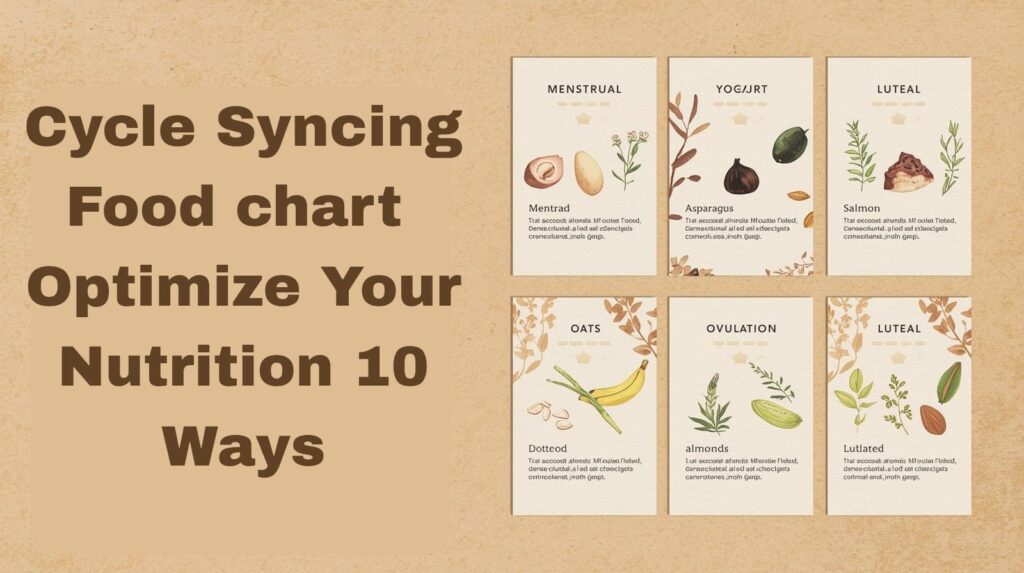
10 Ways to Optimize Your Nutrition Through Cycle Syncing
Adjusting your diet to match your menstrual cycle can boost energy and reduce symptoms. It’s a way to improve your health by making smart food choices based on your cycle.
1. Eat Iron-Rich Foods During Menstruation
When you’re menstruating, eat foods high in iron like red meat, spinach, and lentils. This helps fight off fatigue and keeps you healthy.
2. Boost Estrogen with Phytoestrogens in Follicular Phase
In the follicular phase, add phytoestrogen-rich foods to your diet. Think tofu, flaxseeds, and sesame seeds. They help balance your hormones.
3. Support Ovulation with Antioxidant-Rich Foods
During ovulation, eat antioxidant-rich foods like berries and leafy greens. They support your egg and reproductive health.
4. Balance Blood Sugar in Luteal Phase
In the luteal phase, choose complex carbohydrates and fiber-rich foods. They help keep your blood sugar stable and prevent mood swings.
5. Hydrate According to Your Cycle Phase
Drink more water in the luteal phase to fight bloating. Adjust your hydration based on your cycle.
6. Time Your Supplements Strategically
Take your supplements at the right time. For example, magnesium in the luteal phase helps with cramps and energy.
7. Adjust Macronutrient Ratios Throughout Your Cycle
Change your macronutrient ratios to match your energy needs. Increase protein intake in the follicular phase to boost energy.
8. Incorporate Adaptogenic Herbs for Hormone Balance
Use adaptogenic herbs like maca and ashwagandha. They help balance hormones and reduce stress.
9. Practice Mindful Eating Based on Energy Levels
Listen to your body’s energy levels. Eat energy-boosting foods when you’re feeling sluggish.
10. Create a Personalized Meal Plan Template
Make a personalized meal plan that fits your needs and preferences. It makes cycle syncing easier and more effective.
By following these tips, you can improve your nutrition and overall health through cycle syncing.
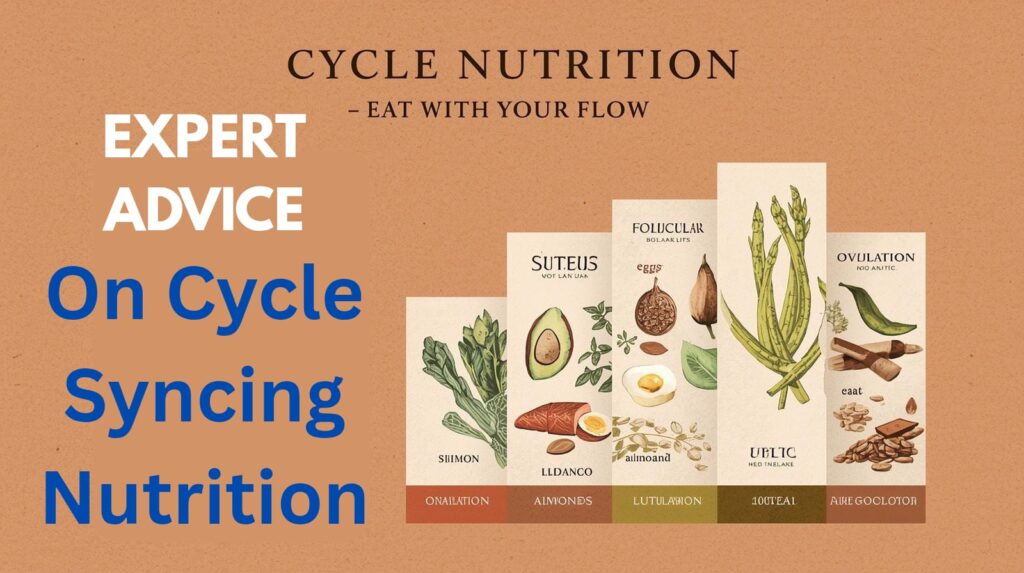
Expert Advice on Cycle Syncing Nutrition
Experts in women’s health and nutrition share tips on eating with the menstrual cycle. This can improve well-being. They suggest ways to eat for hormonal balance and health.
Dr. Alisa Vitti (Functional Nutritionist, USA)
Dr. Alisa Vitti is a well-known functional nutritionist. She talks about the importance of personalized nutrition in cycle syncing. Her method, the FLO Protocol, aims to balance hormones through diet.
The FLO Protocol Approach
The FLO Protocol tailors nutrition to the menstrual cycle’s phases. It helps optimize hormone production and reduce symptoms of hormonal imbalances.
Key Nutritional Recommendations
Dr. Vitti advises eating foods high in omega-3 fatty acids during the follicular phase. This supports hormone production. She also suggests more antioxidant-rich foods during the ovulatory phase for better health.
“By syncing nutrition with the menstrual cycle, women can take control of their hormonal health and improve their overall well-being.”
Dr. Alisa Vitti
Dr. Jolene Brighten (Naturopathic Physician, USA)
Dr. Jolene Brighten is a naturopathic physician. She talks about the benefits of cycle syncing, especially for those who have used birth control.
Post-Birth Control Syndrome Considerations
Dr. Brighten stresses the need for nutritional strategies for post-birth control syndrome. She suggests a diet full of vitamins and minerals to restore hormonal balance.
Supplement Recommendations by Cycle Phase
| Cycle Phase | Recommended Supplements |
|---|---|
| Menstrual | Iron, Magnesium |
| Follicular | Vitamin C, Omega-3 |
| Ovulatory | Antioxidants, Zinc |
| Luteal | Progesterone-supporting herbs, Calcium |
Dr. Lara Briden (Naturopathic Doctor, Canada)
Dr. Lara Briden is a naturopathic doctor. She focuses on nutrition for period repair and conditions like PCOS and endometriosis.
Period Repair Nutritional Strategies
Dr. Briden highlights diet’s role in repairing and balancing the menstrual cycle. She recommends foods that support hormone regulation and reproductive health.
Addressing PCOS and Endometriosis Through Diet
For PCOS and endometriosis, Dr. Briden suggests a diet rich in anti-inflammatory foods and antioxidants. This can help manage symptoms and improve life quality.
By following the advice of these healthcare professionals, individuals can create a cycle syncing plan. This plan supports nutritional and hormonal needs.
Cycle Syncing Exercise and Food: A Comprehensive Approach
Syncing your exercise and diet with your menstrual cycle is key. It boosts your energy, balances hormones, and improves your health. By matching your workouts and meals to your cycle, you can feel better overall.
Menstrual Phase: Rest and Light Movement
Rest and gentle exercises are best during menstruation (Days 1-5). Yoga or walking can ease cramps and improve blood flow.
Complementary Foods for Recovery
Eat iron-rich foods like spinach, beans, and dark chocolate to replace lost iron. Soups and stews offer comfort and nourishment.
Follicular Phase: Building Energy and Strength
As you move into the follicular phase (Days 6-14), increase your workout intensity. Focus on building energy and strength with cardio and weightlifting.
Pre-Workout Nutrition for Optimal Performance
Pre-workout, eat complex carbs, lean proteins, and healthy fats. Bananas, avocados, and whole grain toast give you energy and support muscles.
| Cycle Phase | Exercise Recommendations | Nutritional Focus |
|---|---|---|
| Menstrual Phase (Days 1-5) | Rest, Light Movement, Yoga | Iron-rich foods, Warm nourishing foods |
| Follicular Phase (Days 6-14) | Building Energy, Strength Training | Complex carbohydrates, Lean proteins, Healthy fats |
| Ovulatory Phase (Days 15-17) | High-Intensity Workouts, Social Activities | Antioxidant-rich foods, Vitamin C, Omega-3 fatty acids |
| Luteal Phase (Days 18-28) | Moderate Activity, Stress Management | Anti-inflammatory foods, Magnesium, Complex carbohydrates |
Ovulatory Phase: High-Intensity and Social Workouts
Use your peak energy for intense workouts and social activities during ovulation (Days 15-17).
Fueling for Peak Energy and Endurance
Eat foods high in antioxidants like berries, leafy greens, and nuts. They help with energy and endurance.
Luteal Phase: Moderate Activity and Stress Management
In the luteal phase (Days 18-28), do moderate exercise and manage stress with meditation and deep breathing.
Anti-Inflammatory Foods to Support Recovery
Add anti-inflammatory foods like turmeric, ginger, and fatty fish to your diet. They help with recovery and reduce bloating and mood swings.
Does Cycle Syncing Actually Work? Examining the Evidence
Research on cycle syncing is still growing. Yet, many women say it helps their health. It’s key to look at what we know and what we don’t.
Scientific Studies on Cycle Syncing
Studies on cycle syncing are just starting. But, some research shows it can help with PMS and menstrual cramps. A study in the Journal of Women’s Health found positive results.
“By aligning nutrition and lifestyle with the menstrual cycle, women can potentially alleviate symptoms and improve overall well-being.”
Dr. Alisa Vitti, Functional Nutritionist
Anecdotal Evidence and Success Stories
Many women have seen big benefits from cycle syncing. They report better energy, less bloating, and better fertility. These stories show cycle syncing can be very helpful.
| Reported Benefits | Percentage of Women |
|---|---|
| Improved Energy | 75% |
| Reduced Bloating | 60% |
| Enhanced Fertility | 50% |
Potential Limitations and Considerations
Even with its promise, cycle syncing has its limits. Women on hormonal birth control or with irregular cycles might need to adjust.
Hormonal Birth Control Considerations
Women on hormonal birth control might need to tweak their cycle syncing. It’s wise to talk to a doctor to find the right way.
Irregular Cycles and Health Conditions
Women with irregular cycles or health issues might need to change their approach. A doctor can help figure out the best plan.
In summary, while there’s not much scientific proof, many women have found cycle syncing helpful. Knowing its benefits and limits can help women decide if it’s right for them.
Getting Started: Your 28-Day Cycle Syncing Meal Plan
Starting a cycle syncing journey means paying close attention to what you eat. A 28-day meal plan tailored to your menstrual cycle is a great first step. It helps you get the right nutrients, balance your hormones, and feel better overall.
Week 1: Menstrual Phase Meal Ideas
In the menstrual phase, eat foods that warm you up and are rich in iron. These help replace lost nutrients and soothe your body. Here are some tasty and healthy meal ideas:
- Iron-rich smoothies made with spinach, banana, and almond milk
- Warming soups like lentil or chicken noodle soup
- Grilled chicken or fish with roasted vegetables
Warming Iron-Rich Recipes
Add iron-rich foods like red meat, beans, and dark leafy greens to your meals. A hearty beef stew or a warm lentil curry is both comforting and nutritious.
Week 2: Follicular Phase Meal Ideas
As you move into the follicular phase, your energy goes up, and your diet needs change. Eat light, fresh, and energizing foods that help with estrogen production and health.
- Salads with citrus fruits and nuts
- Grilled chicken or tofu with quinoa and steamed vegetables
- Phytoestrogen-rich foods like chickpeas, flaxseeds, and sesame seeds
Light, Fresh, and Energizing Dishes
Eat lots of fruits, vegetables, and whole grains. A fresh fruit salad or oatmeal with banana and honey is a great morning start.

Week 3: Ovulatory Phase Meal Ideas
In ovulation, your body is ready for energy and vitality. Use this time to add raw foods, hydrating recipes, and antioxidant-rich ingredients to your diet.
- Raw vegetable salads with avocado and citrus dressing
- Hydrating smoothies made with cucumber, mint, and coconut water
- Antioxidant-rich foods like berries, leafy greens, and other fruits and vegetables
Raw Foods and Hydrating Recipes
Choose foods high in water and antioxidants. A refreshing gazpacho or fruit-infused water is very beneficial.
Week 4: Luteal Phase Meal Ideas
In the luteal phase, your body prepares for pregnancy, and your diet needs change. Focus on comforting, blood-sugar balancing meals that support progesterone production.
- Comforting soups like butternut squash or creamy tomato
- Grilled meats or fish with roasted sweet potatoes and green beans
- Complex carbohydrates like whole grain bread, quinoa, and brown rice
Comforting, Blood-Sugar Balancing Meals
Include complex carbs, protein, and healthy fats in your meals for stable blood sugar. A warm spiced apple crisp or a hearty beef and vegetable stew is very satisfying.
Shopping List and Meal Prep Tips
Having a well-stocked pantry and a thoughtful shopping list makes cycle syncing easier. Some essentials include:
- Leafy greens and other vegetables
- Fruits, nuts, and seeds
- Whole grains and complex carbohydrates
- Lean proteins and healthy fats
Recommended YouTube Resources for Cycle Syncing Recipes
For more ideas and guidance, check out YouTube channels focused on cycle syncing and healthy eating. Some popular channels include [insert relevant channels].
Conclusion: Embracing Your Cycle for Optimal Health
By matching your diet and lifestyle with your menstrual cycle, you can unlock many benefits. This approach helps you work with your body’s natural rhythms. It promotes hormone balance and overall well-being.
Eating right is key to cycle syncing. A hormone-balancing diet supports your body in each cycle phase. Cycle syncing also improves your energy, exercise, and life quality.
Remember, cycle syncing is a personal journey. Listen to your body’s unique needs and rhythms. This way, you make choices that support your health and well-being. Embracing your cycle is the first step to optimal health and living in harmony with your body.
FAQ
What is cycle syncing, and how does it relate to nutrition?
Cycle syncing means aligning your diet and lifestyle with your menstrual cycle. This helps improve your health and well-being. It’s about understanding how your nutritional needs change throughout your cycle.
What are the benefits of cycle syncing for women with irregular cycles?
Women with irregular cycles can still benefit from cycle syncing. By paying attention to their symptoms, they can make diet and lifestyle changes. This supports their overall health.
How do I track my physical and emotional symptoms to understand my individual needs?
Keep a journal or use a mobile app to track your symptoms. Record changes in energy, mood, and cravings. This helps identify patterns and understand your unique needs.
What are some examples of iron-rich foods that can help alleviate menstrual cramps?
Iron-rich foods like spinach, kale, beans, lentils, and grass-fed beef can help with menstrual cramps. Adding these to your diet during menstruation can replenish iron and reduce symptoms.
Can cycle syncing help with fertility issues?
Yes, cycle syncing can help with fertility by supporting hormonal balance. Aligning your diet and lifestyle with your cycle can optimize your body’s natural processes. This can improve your chances of conception.
How can I incorporate adaptogenic herbs into my diet for hormone balance?
Adaptogenic herbs like maca, ashwagandha, and tulsi support hormone balance. You can take them as supplements, add them to meals, or drink them as teas. Always consult a healthcare professional for the best approach.
Are there any specific foods that can help reduce PMS symptoms?
Yes, certain foods can help with PMS symptoms. Whole grains, fruits, and vegetables stabilize blood sugar. Omega-3 rich foods like salmon and flaxseeds reduce inflammation and promote hormonal balance.
Can I still benefit from cycle syncing if I’m using hormonal birth control?
Hormonal birth control can affect your cycle, but you can still benefit from cycle syncing. Paying attention to your symptoms and making diet and lifestyle adjustments can support your health, even with hormonal birth control.
How can I create a personalized meal plan template for cycle syncing?
Start by tracking your symptoms and identifying your nutritional needs. Plan meals around foods that support your body’s needs in each phase. Consider getting guidance from a healthcare professional or registered dietitian.
Are there any scientific studies that support the effectiveness of cycle syncing?
There’s limited scientific research on cycle syncing, but studies on the menstrual cycle and nutrition offer insights. Anecdotal evidence and success stories also support its potential benefits.